
CIRCLTR: Circular Leather Goods
The CIRCLTR project has successfully demonstrated that leather style luxury goods can be designed, produced, and maintained within a circular and regenerative system.
CIRCLTR: Circular Leather Goods Read More »
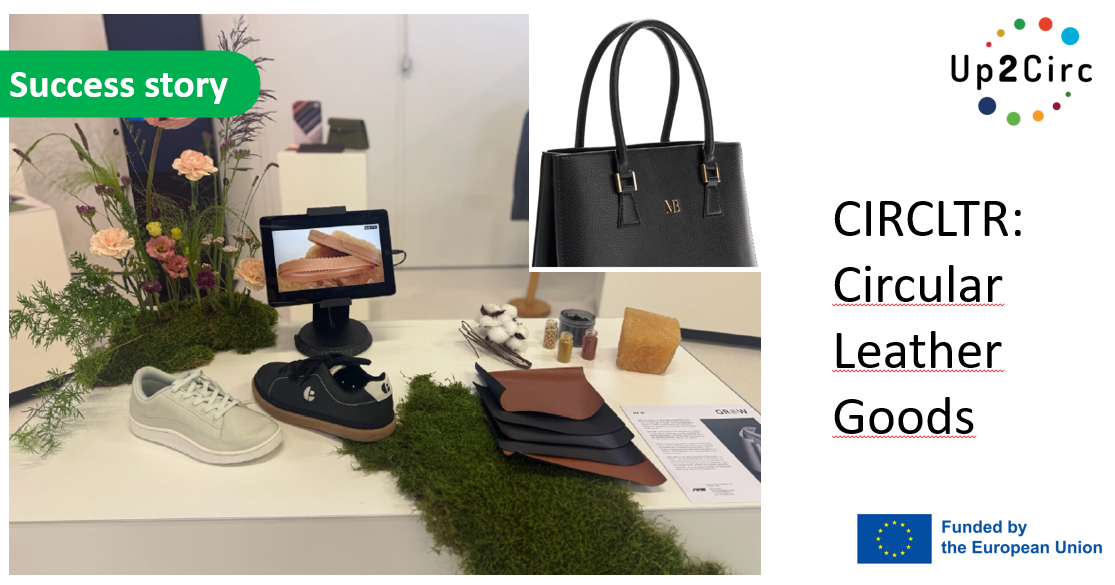
The CIRCLTR project has successfully demonstrated that leather style luxury goods can be designed, produced, and maintained within a circular and regenerative system.
CIRCLTR: Circular Leather Goods Read More »
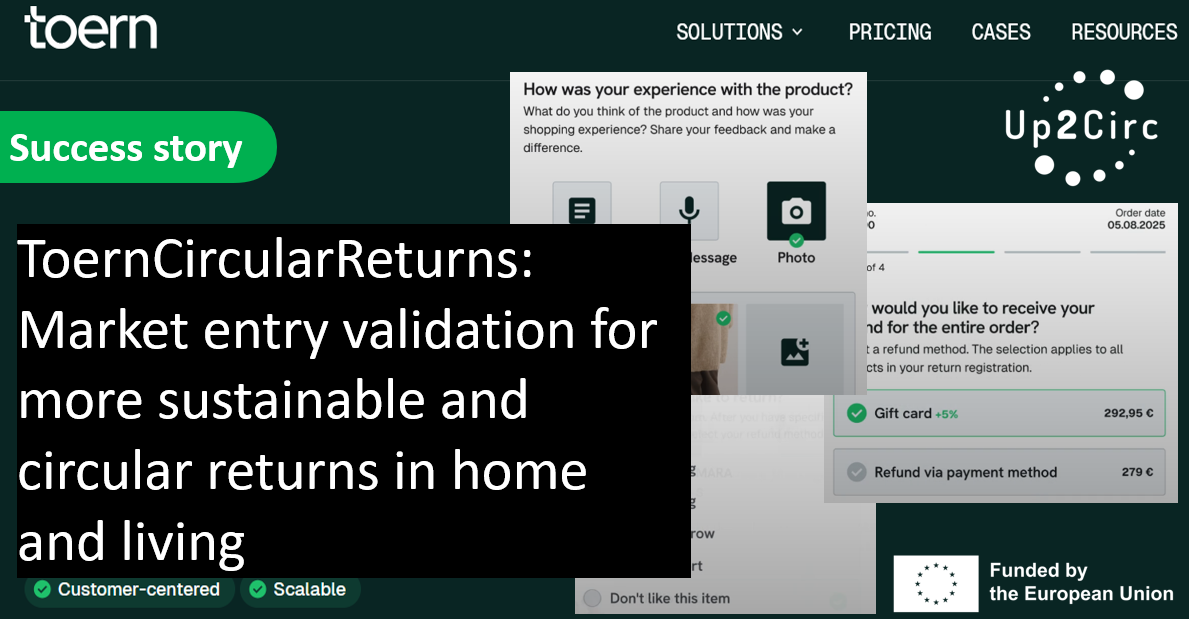
Toern is a Hamburg-based start-up that provides an end-to-end returns platform for fashion e-commerce retailers. Customers upload photos, and a software checks the item automatically. If predefined criteria are met, the item is relisted in the original shop at a discounted price for the next buyer and for a limited time. Once a new buyer is found, the item is shipped directly from the first customer to the next (peer-to-peer forwarding).
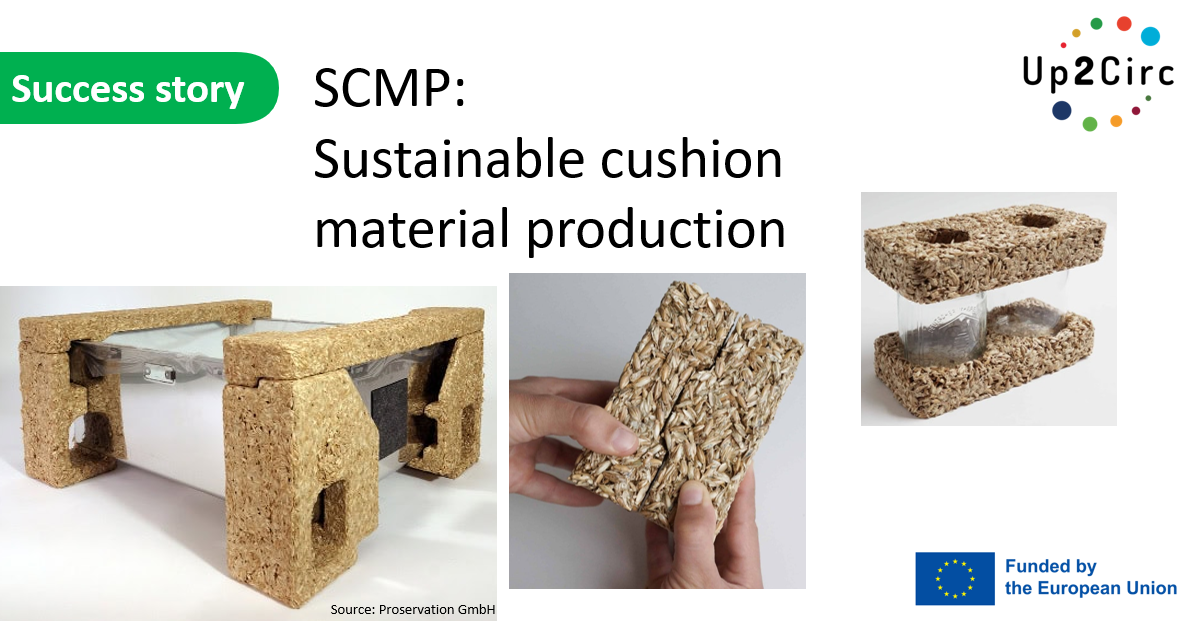
Packaging materials are often not particularly environmentally friendly. Especially, when it comes to cushioning products to prevent breakage, materials such as Styrofoam are frequently used, which are barely biodegradable or not at all. The company PROSERVATION has developed a material made from grain waste that can replace environmentally harmful packaging materials. This new material is called RECOU and must first be shaped using negative molds. These negative molds are currently not made from the ideal material. They cannot be used very often and lack recycability potential.
SCMP: Sustainable cushionmaterial production Read More »
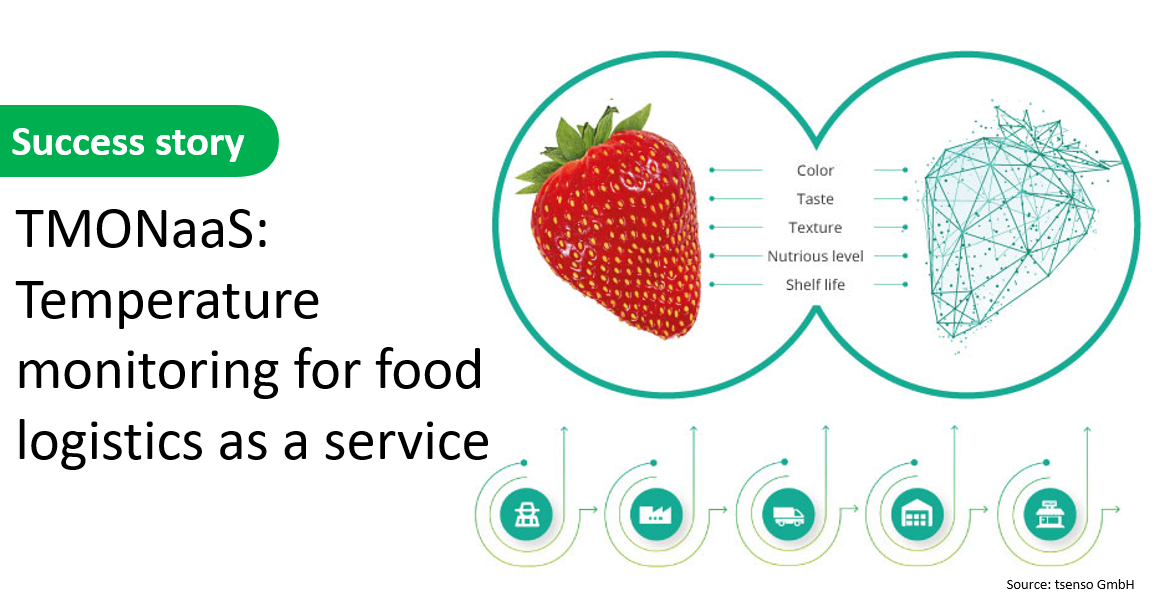
Tsenso equips food crates with small temperature sensors to ensure that the cold chain between the manufacturer and the retailer remains unbroken and the products stay fresh. The sensors are battery-powered and have a lifespan of at least one year. Currently, retailers dispose of the sensors as soon as the goods are received. As a result, thousands of fully functional battery-powered sensors are regularly discarded after a single use. Eventually, Tsenso tries to establish a take-back and re-use system for electronic sensors.
TMONaaS: Temperature monitoring for food logistics as a service Read More »
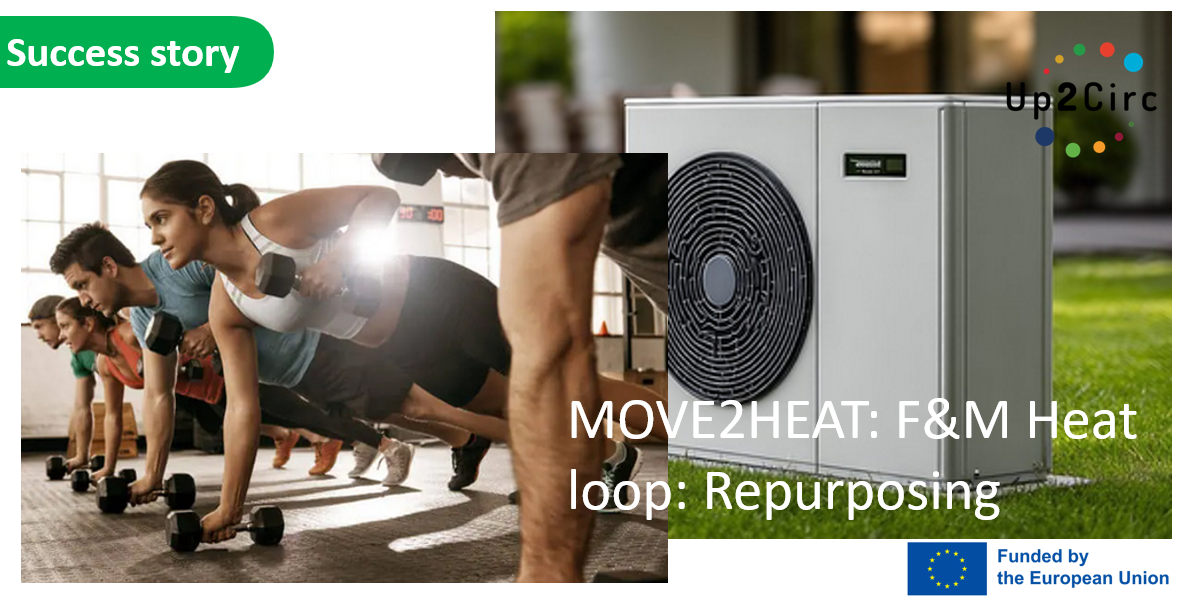
A Hungarian company tested if the “waste” heat generated by gym users may be used as the primary energy source for water heating, creating a closed-loop energy cycle. They found out that they can reduce their external electricity consumption by nearly 75%.
MOVE2HEAT: F&M Heat loop: Repurposing Read More »
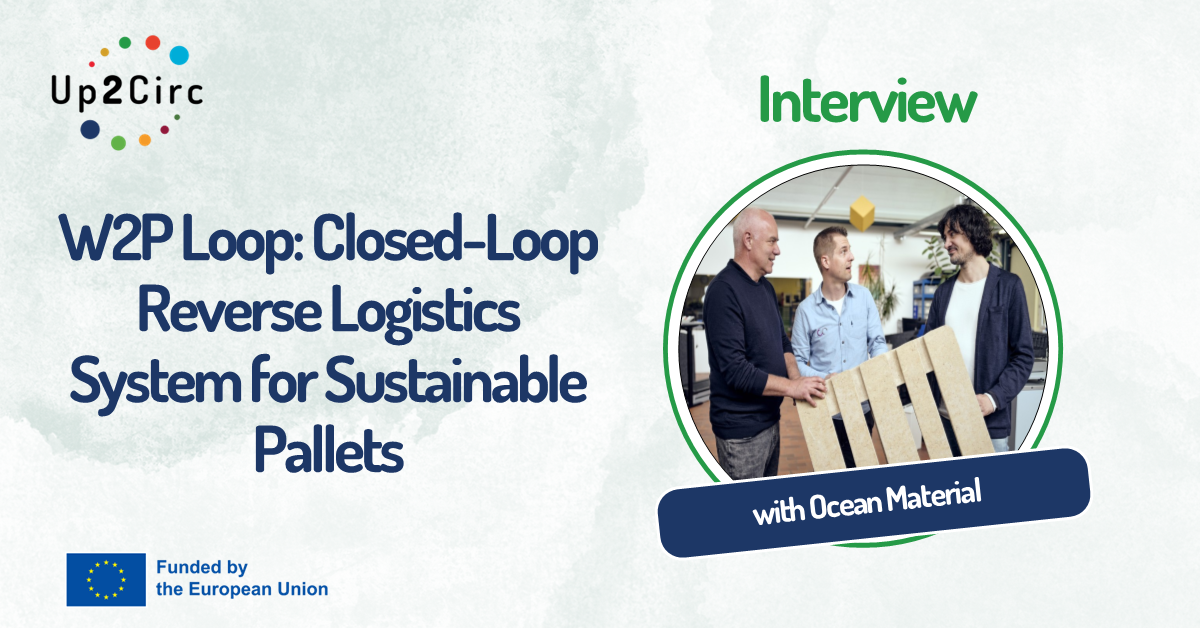
The company Ocean Material collects and recycles plastic from the ocean to pallets used in logistics. With Up2Circ they were exploring opportunities to establish a circular take-back system to increase the environmental impact of their products.
W2P Loop – Upcycling of ocean plastic to pallets used in logistics Read More »
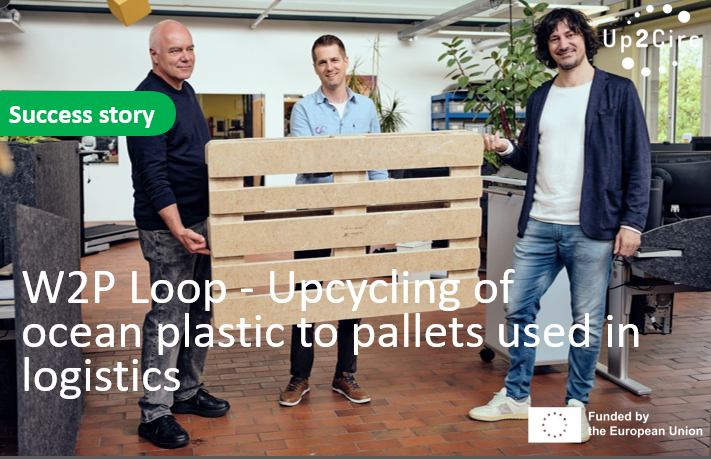
The German company transforms recycles plastic from the oceans back to the original pure material and uses it to produce pallets. Within their Up2Circ project they explored possibilities for a take-back system to keep their pallets as long as possible in use.
W2P Loop – Upcycling of ocean plastic to pallets used in logistics Read More »
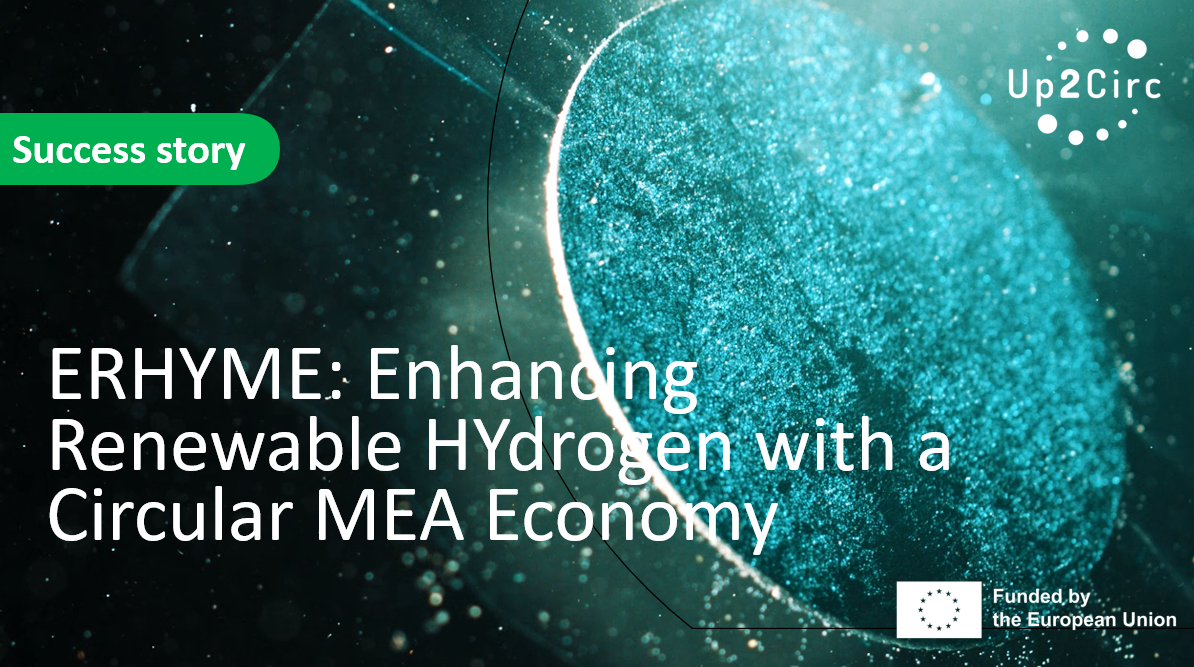
The German company seeks to establish a Membrane-as-a-service model in hydrogen production. The project strengthens sustainable and circular production as well as European resilience and independence.
ERHYME: Enhancing Renewable HYdrogen with a Circular MEA Economy Read More »
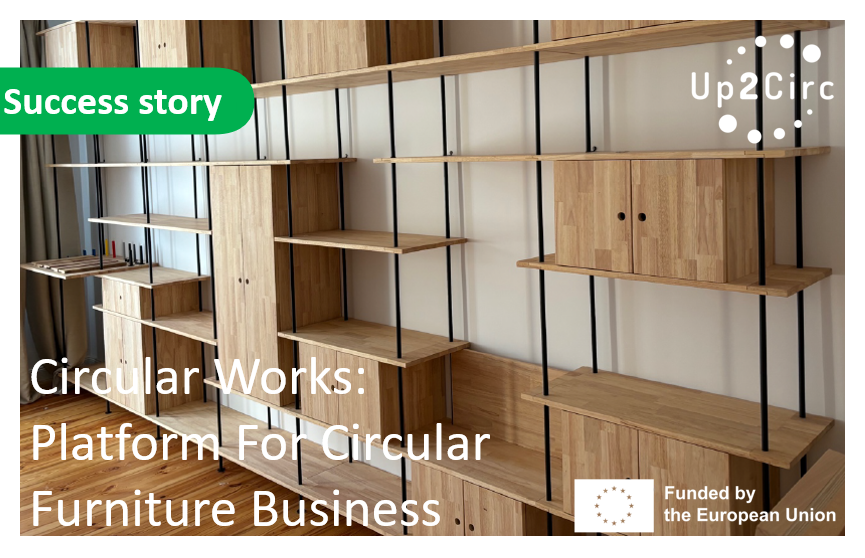
The Berlin-based company transformed their business model from a linear interior design towards a production on-demand from sustainable wood and with regional production.
Circular Works: Platform For Circular Furniture Business Read More »
In rubber industry the usage of recyclates is rather dificult plus expensive. Why? Because the material composition of recycled materials varies, whereas the end product must have very specific properties. Datenberg GmbH has attempted to solve this problem with AI-supported software, making it easier for rubber manufacturers to use recycled materials at a better price. With success!
Facilitating rubber recycling for industry Read More »
siebold/hamburg set out to develop a nearly emission-free and circular exhibition stand from march 2023 to march 2024. Find out which experiences they made throughout the process!
Circular economy in exhibition stand construction Read More »
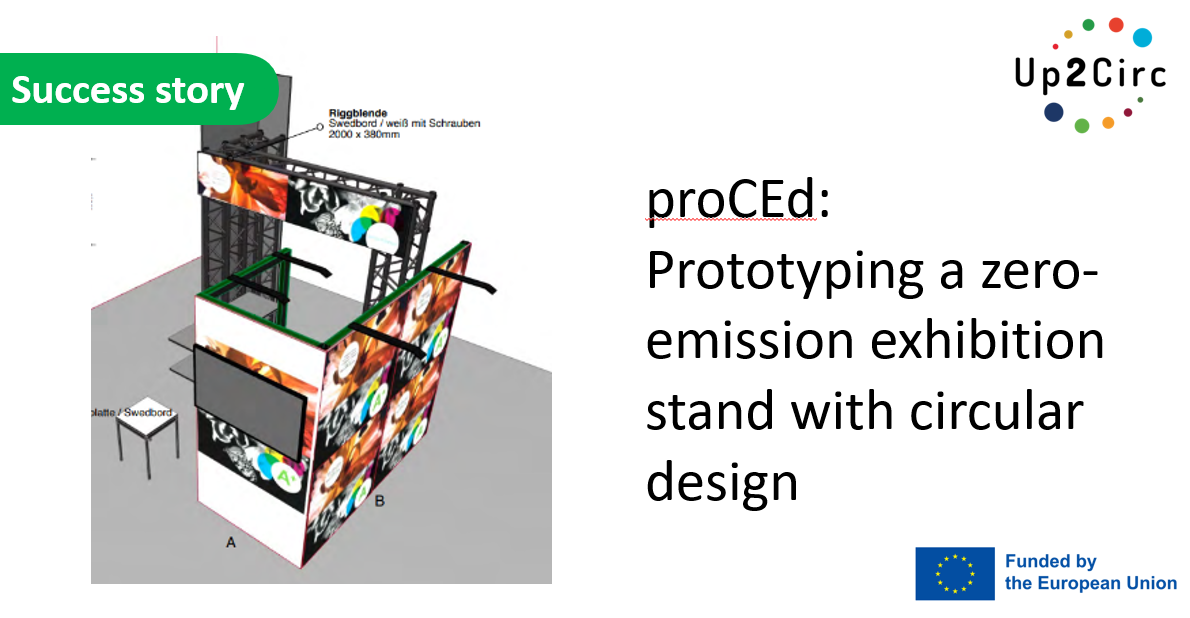
Exhibition booth construction leads to a lot of waste and inefficiency. Every exhibitor seeks a booth on site that should be unique and
individual. siebold/hamburg developed a trade-fair stand design in line with circular economy principles. An exhibition booth with as less waste as possible and with the smallest possible carbon footprint.
proCEd: Prototyping a zero-emission exhibition stand with circular design Read More »